

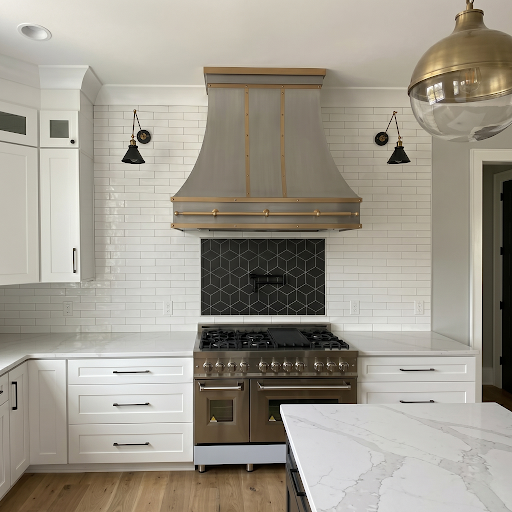
When people choose a kitchen range hood, practical questions usually come first: How much air does it move? What size should it be? Will it fit the cooking setup? Those questions matter, but they do not tell the whole story. Positioned above the cooktop, a hood often occupies one of the most visible areas in the room. Its scale can influence the balance of the cabinetry, the direction of the eye, and the way surrounding materials relate to one another.
That makes a range hood more than equipment added at the end of a renovation. When it is considered early in the design process, it can become an architectural focal point that gives the kitchen structure and personality. Metal is especially effective in this role because it brings color, reflectivity, texture, and a sense of craftsmanship into a hardworking space.

Metal Changes With the Light
A metal surface never appears completely static. Morning light may reveal soft variations in a brushed finish, while evening light can make polished edges and decorative straps stand out. Hammered, aged, or hand-finished surfaces create even more movement because they reflect light unevenly. The result is depth without the need for an elaborate pattern.
Finish matters as much as color. A polished surface creates sharper reflections and a more formal impression. Brushed metal diffuses light and tends to feel quieter. Aged finishes introduce tonal variation that can make a new kitchen feel more settled and collected. Before choosing one, look at samples in the actual room at different times of day. Showroom lighting rarely behaves like natural light at home.
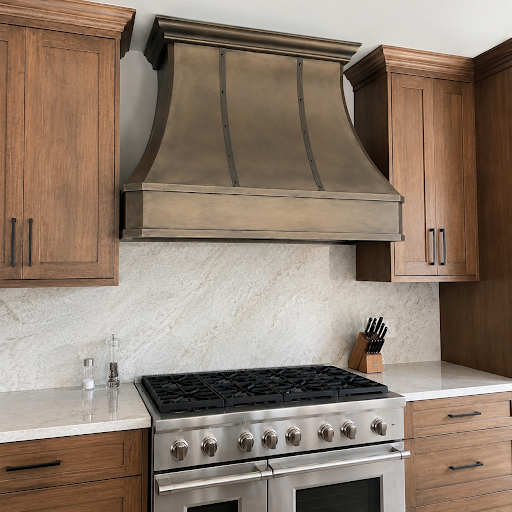
An aged-brass hood adds depth beside warm wood cabinetry and pale stone. Photo courtesy of Fobest.
The Hood Can Connect the Material Palette
A successful hood does not need to match every metal in the kitchen. It needs to feel related to the whole palette. Aged brass can reinforce the warmth of oak or walnut cabinetry. Stainless steel can echo professional cooking appliances while providing a cool counterpoint to marble or white cabinets. Black metal can repeat dark window frames, cabinet hardware, or veining in stone.
Mixed-metal designs are useful when a kitchen contains both warm and cool elements. A stainless-steel body with brass trim, for example, can connect a steel range to brass lighting or hardware. A white hood with brass straps can blend into pale cabinetry while still creating a deliberate focal point. The goal is not perfect repetition; it is visual continuity.
Stainless steel and brass bridge cool appliances with warm lighting and hardware. Photo courtesy of Fobest.
Shape and Proportion Matter as Much as Finish
Because the hood sits near eye level and often interrupts a long wall of cabinetry, its outline has a strong effect on the room. A bell-shaped or gently curved hood can soften a traditional kitchen. A straight, box-style design feels more architectural and suits contemporary spaces. A wide apron or prominent pot rail adds visual weight, while a restrained silhouette can keep a smaller room from feeling crowded.
Scale should be evaluated in relation to the cooktop, ceiling height, and nearby cabinets. A hood that is too narrow may look disconnected from the range, while an oversized one can overpower the wall. Functional sizing and installation clearances should always be confirmed with the appliance manufacturer and local requirements, but the elevation should also be reviewed as a composition. Sketching the hood and cabinetry together before ordering can reveal proportion problems early.
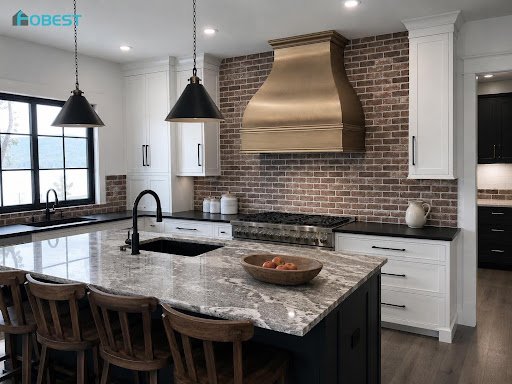
A bell-shaped brass hood creates a strong centerline in a traditional kitchen. Photo courtesy of Fobest.
Contrast Can Create a Focal Point
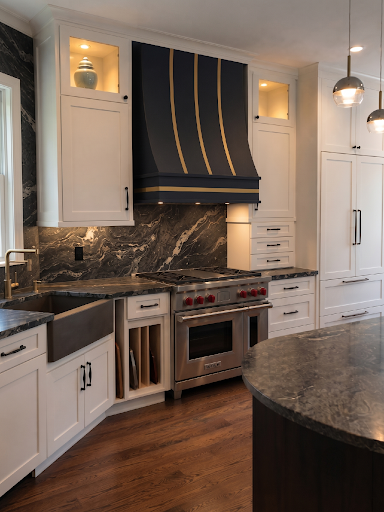
Some kitchens benefit from a hood that recedes; others need a clear visual anchor. In an all-white kitchen, a dark hood can break up the cabinetry and draw attention to the cooking zone. Brass trim or rivets can then connect that contrast to lighting, faucets, or other details. The hood becomes bold without appearing unrelated to the rest of the room.
Contrast is most effective when it is repeated selectively. One or two supporting details are usually enough. If black appears on the hood, it might return in the cabinet pulls or stone backsplash. If brass outlines the hood, it can reappear in a pendant or faucet. Repeating every finish everywhere can make the design feel overly coordinated rather than layered.
A black hood with brass trim anchors white cabinetry and dramatic stone. Photo courtesy of Fobest.
Customization Is Most Valuable When It Solves a Design Problem
The strongest reason to consider a custom range hood is not simply to make the kitchen look unique. Customization can help coordinate the hood width with the cooking equipment, respond to an unusual ceiling height, repeat a curve found elsewhere, or combine finishes already present in the room. These choices should serve the architecture rather than add decoration for its own sake.
A useful way to narrow the options is to start with four decisions: silhouette, primary finish, accent finish, and degree of ornament. Then compare those choices with the cabinetry, backsplash, countertop, appliances, and lighting. This sequence keeps the hood connected to the room and prevents small decorative features from driving the entire design.
Practical Details Still Come First
A beautiful exterior cannot compensate for poor ventilation. Before finalizing the decorative shell, confirm the appropriate hood width, insert compatibility, duct route, mounting conditions, and distance above the cooking surface. Motor capacity and local code requirements may depend on the type and output of the range. These details should be reviewed with qualified professionals and the relevant manufacturers.
Maintenance should also influence the finish. Smooth brushed surfaces generally create a quieter visual texture, while aged and textured finishes may be more forgiving of minor marks. Cleaning instructions vary, so avoid abrasive products unless the manufacturer specifically approves them. The best design is one that the homeowner can maintain comfortably over time.
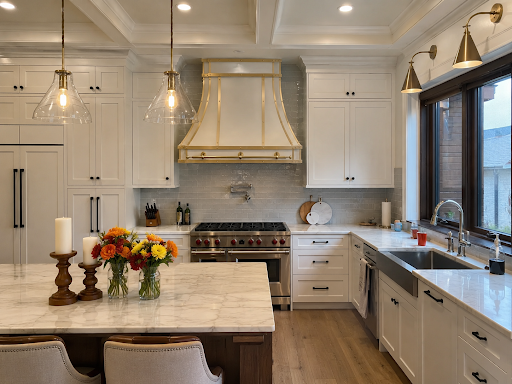
A white body allows the hood to blend with the cabinetry while brass details remain visible. Photo courtesy of Fobest.
Conclusion
A range hood begins with a practical purpose, but it can do much more than remove smoke, heat, and cooking odors. Its position gives it unusual visual influence, and metal gives designers a flexible way to work with light, color, texture, and proportion. Whether the finish is aged brass, brushed stainless steel, black, or white with metal accents, the most convincing result is one that belongs to the full material palette.
When performance requirements and design decisions are considered together, the hood no longer feels like an appliance added afterward. It becomes part of the architecture of the kitchen – a functional centerpiece that helps the entire room feel intentional.
Author Bio
The FOBEST Range Hood Appliance shares practical ideas about kitchen ventilation, metal finishes, and custom range hood design. Explore more handcrafted range hood styles for traditional, transitional, and contemporary kitchens.
Image Rights Statement
All images supplied with this article are provided by Fobest for publication by House Integrals in connection with this guest post.