

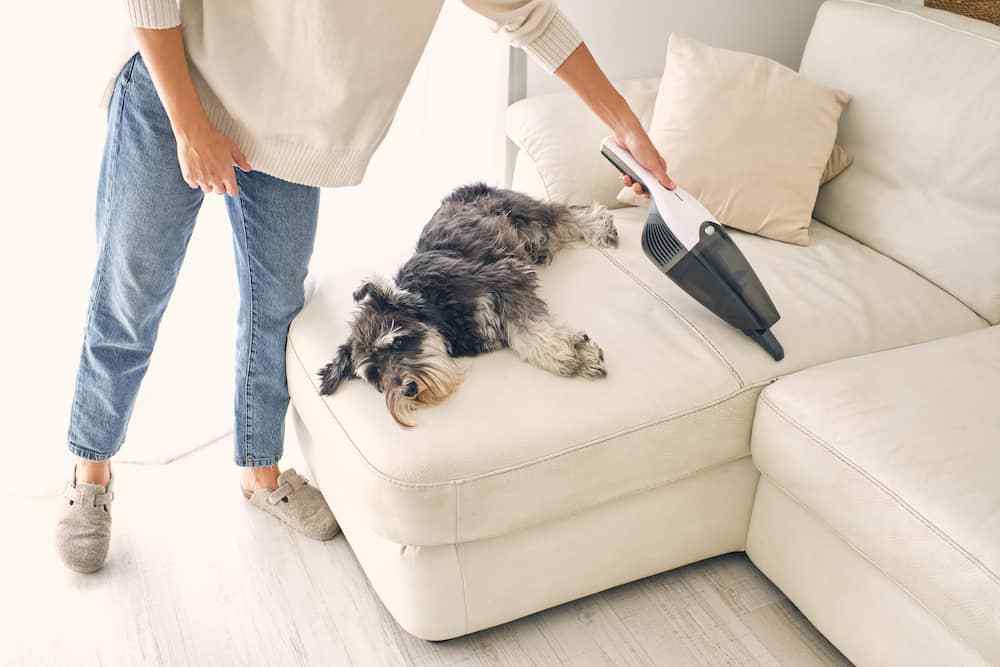
If you’ve ever found fur on your clothes minutes after tidying up, you’re in good company. Life with pets is genuinely rewarding, but it also means a near-constant influx of hair, pet dander, and tracked-in dirt. These aren’t just cosmetic problems — airborne particles can affect indoor air quality and trigger allergy or respiratory symptoms in sensitive people, making cleanliness a matter of health as much as appearances. Many households turn to specialized tools like pet vacuums, lint rollers, and microfiber cloths to keep fur in check, but lasting results come from a broader approach. This article covers practical, long-term strategies rooted in recognized cleaning and animal care practices.
Understanding Pet Shedding and Indoor Air Quality
Shedding is a perfectly normal biological process for most cats and dogs, influenced by breed, season, and overall health. It helps to draw a distinction between fur — the visible strands you find on your sofa — and pet dander, the microscopic skin flakes that float through the air. Fur is easy to spot and sweep up; dander is far more elusive. It settles into fabrics, circulates through HVAC systems, and can hang in the air long after a pet has left the room. For anyone with respiratory sensitivities, that invisible accumulation matters just as much as the hair you can see. It’s also worth knowing that factors like poor diet, dry skin, or stress can ramp up shedding — if the volume seems unusually high, a veterinarian is the right person to consult.


Managing Fur at the Source: Pet Care and Grooming
Regular grooming is one of the most effective ways to reduce fur throughout the home — and it costs nothing beyond a little time. Brushing your pet consistently captures loose hair before it migrates to furniture and floors: daily for long-haired breeds, several times a week for shorter coats. Choosing the right tool matters, too. Undercoat rakes work well for double-coated dogs, while slicker brushes suit many cats. Appropriate bathing helps reduce both loose hair and dander without stripping the skin of its natural oils. The difference is noticeable — a long-haired dog brushed daily tends to leave significantly less hair on carpets than one brushed only once a week.
Key Takeaway: Controlling shedding at the source reduces cleaning effort everywhere else in the home.
Diet and hydration play a supporting role. A balanced, species-appropriate diet promotes coat health, and adequate water intake can help prevent the dry skin that tends to worsen shedding. For tailored guidance, a veterinarian is the best resource.
Smart Home Habits to Reduce Fur Build-Up
Thoughtful household habits can make a real dent in where fur accumulates in the first place:
- Keep doors closed to rooms where fur is least welcome, such as wardrobes or formal living spaces
- Use washable covers on sofas and pet beds so they can be laundered regularly and easily
- Designate specific sleeping zones with washable bedding your pet can call their own
- Store clean laundry promptly to stop fur from settling on clothing before you’ve even worn it
Consistent, modest routines — light daily sweeps of pet zones, weekly washing of pet bedding, and regular dusting of flat surfaces — prevent large build-ups far more reliably than the occasional marathon clean.
Key Takeaway: Short, regular tasks prevent fur build-up more effectively than infrequent deep cleans.
Tools and Techniques for Fur Removal on Different Surfaces
Fur doesn’t behave the same way on every surface, and the most effective approach varies accordingly. On hard floors, hair tends to drift and collect along baseboards; a dry microfiber mop draws it in efficiently through static and texture. On carpets, fur works itself into the fibers and calls for thorough vacuuming, along with periodic steam cleaning to lift embedded debris and dander from deeper down.
For furniture and clothing, rubber gloves, upholstery brushes, and reusable lint rollers are all solid options. Running a damp rubber glove across upholstery loosens clinging hair quickly before you wash a removable cover — a simple trick that works surprisingly well.
Don’t overlook the air itself. Fine dander particles accumulate in HVAC filters and on fan blades, quietly circulating through the home. Air purifiers fitted with HEPA filtration trap airborne particles effectively, and swapping out HVAC filters regularly — particularly during heavy shedding seasons — makes a measurable difference to indoor air quality.
Balancing Cleanliness With Real Life
Some fur is simply part of life with pets, and there’s no reason to feel otherwise. The goal isn’t a spotless home; it’s one that’s comfortable, healthy, and manageable. For busy households, a handful of high-impact habits go a long way: daily brushing, weekly bedding washing, and scheduled floor cleaning. For allergy-sensitive households, prioritizing air filtration and frequent fabric laundering adds meaningful, day-to-day relief. The right routine ultimately depends on the number and type of pets you have, the flooring in your home, and individual sensitivities.
A simple weekly checklist might include brushing pets according to coat type, washing pet bedding and throws, vacuuming or mopping high-traffic areas, and wiping down flat surfaces where dander tends to settle.
Creating a Home That’s Comfortable for You and Your Pets
Managing fur and dander effectively starts with pet care and grooming, not just the cleaning tools you reach for afterward. Household habits — thoughtful zoning, fabric management, and consistent routines — reduce both visible fur and hidden dander over time. Combining manual options like rubber gloves, lint rollers, and microfiber cloths with equipment such as pet vacuums, mops, and air purifiers gives you flexible solutions suited to different homes and budgets.
Living with pets means accepting a certain degree of mess — that’s simply the deal. But with realistic, well-chosen strategies in place, a clean and healthy home is genuinely achievable and, more importantly, sustainable. If you’re looking for a starting point, pick just one new habit this week — daily brushing or a weekly textile wash — and notice the difference it makes over time.