

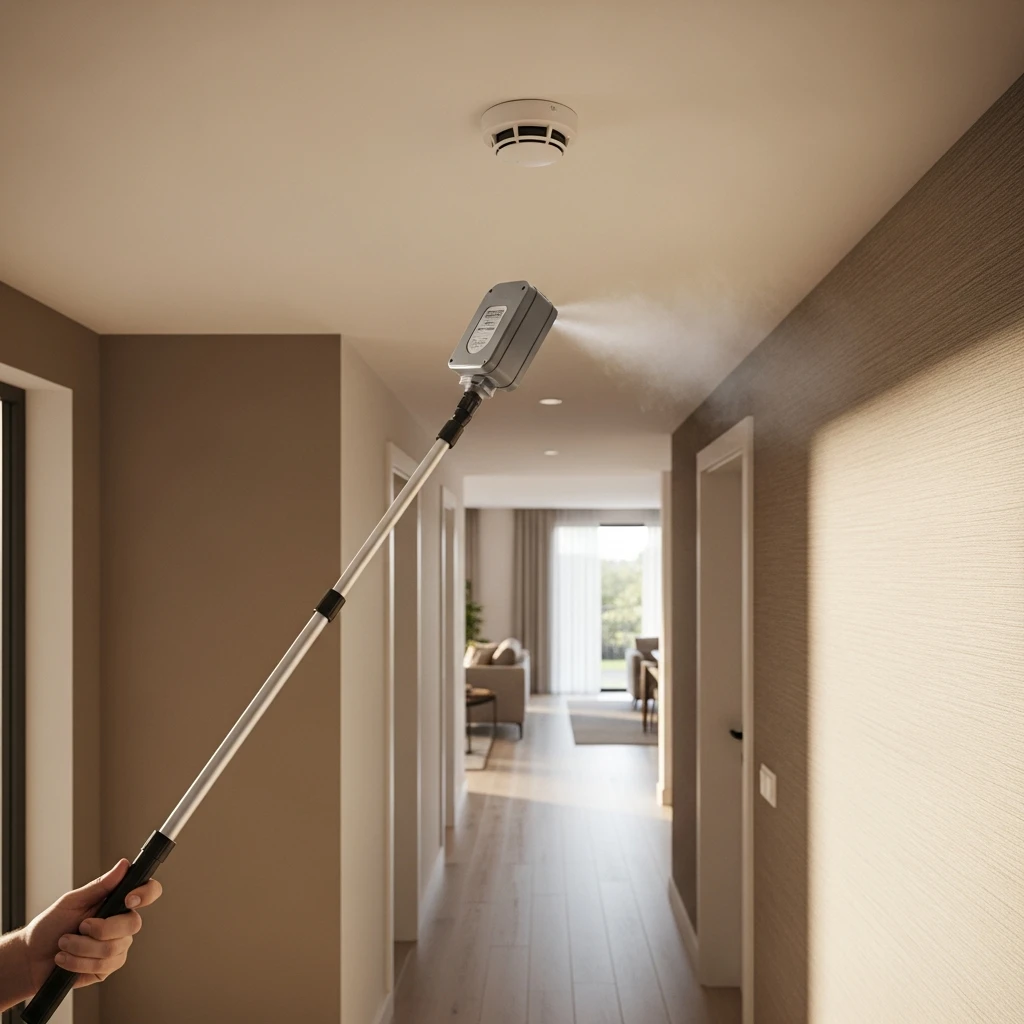
Fire safety systems play a critical role in protecting lives and property. While installing detectors is essential, ensuring they function correctly is equally important. Regular testing of heat detectors helps maintain system reliability and compliance with safety regulations. In this guide, we explore how heat detector testers work, why they matter, and how to use them effectively.
Why Heat Detector Testing Is Essential
Ensuring System Reliability
Heat detectors are designed to activate when a specific temperature threshold is reached. Without regular testing, faults may go unnoticed, putting occupants at risk.


Meeting Safety Regulations
In the UK and across Europe, fire safety standards require routine inspection and maintenance of detection systems. Testing ensures compliance with these legal requirements.
Preventing False Security
A detector that appears functional but fails to activate in an emergency can lead to serious consequences. Routine testing provides peace of mind that systems will perform when needed.
What Are Heat Detector Testers
How They Work
Heat detector testers are specialised tools that safely simulate heat conditions to trigger a detector without causing damage. They allow technicians to confirm that the device responds correctly.
Types of Testers
There are several types available, including single-use testers and reusable electronic units. Each type is designed for specific applications and environments.
For professionals looking to maintain high safety standards, using reliable heat detector testers ensures accurate and efficient testing procedures.
Key Features to Look For
Safety and Precision
A good tester should apply controlled heat levels to avoid damaging the detector while still triggering a response.
Ease of Use
Lightweight and ergonomic designs make it easier for technicians to carry out testing, especially in large buildings.
Compatibility
Ensure the tester is compatible with the specific type of heat detector installed in your system.
Portability
Compact testers are ideal for professionals who need to move quickly between multiple locations.
Best Practices for Testing Heat Detectors
Follow Manufacturer Guidelines
Always refer to the detector and tester instructions to ensure correct usage and avoid invalidating warranties.
Schedule Regular Testing
Routine checks, typically every six months or as required by regulations, help maintain consistent performance.
Keep Detailed Records
Document each test, including date, results, and any maintenance carried out. This is essential for compliance and future reference.
Train Staff Properly
Ensure that anyone responsible for testing understands the correct procedures and safety precautions.
Practical Example
In a commercial office building, a maintenance team uses a portable heat detector tester to check all installed units. By following a scheduled testing plan and documenting results, they identify a faulty detector early and replace it before it becomes a safety risk.
FAQ Section
How often should heat detectors be tested
Most guidelines recommend testing at least twice a year, though frequency may vary depending on building type and local regulations.
Can I test heat detectors without specialised equipment
Using proper testing tools is strongly recommended. Improvised methods may damage the detector or fail to provide accurate results.
Are heat detector testers safe to use
Yes, when used correctly, they are designed to safely simulate heat without harming the device or surroundings.
Do all detectors require the same tester
No, different detectors may require specific types of testers. Always check compatibility before use.
What should I do if a detector fails the test
If a detector does not respond, it should be inspected, repaired, or replaced immediately to maintain system integrity.
Conclusion
Regular testing of heat detectors is a vital part of any fire safety strategy. By using the right tools, following best practices, and maintaining a consistent schedule, you can ensure your system remains reliable and compliant. Investing in quality testing equipment not only protects property but also safeguards lives, making it an essential step in responsible building management.